Notes from
the field.
Construction practice, material choices, and owner guides from the Uvagai Engineering team. Built in Chennai, written for anyone planning a project that has to last.
Field notes,
owner guides.
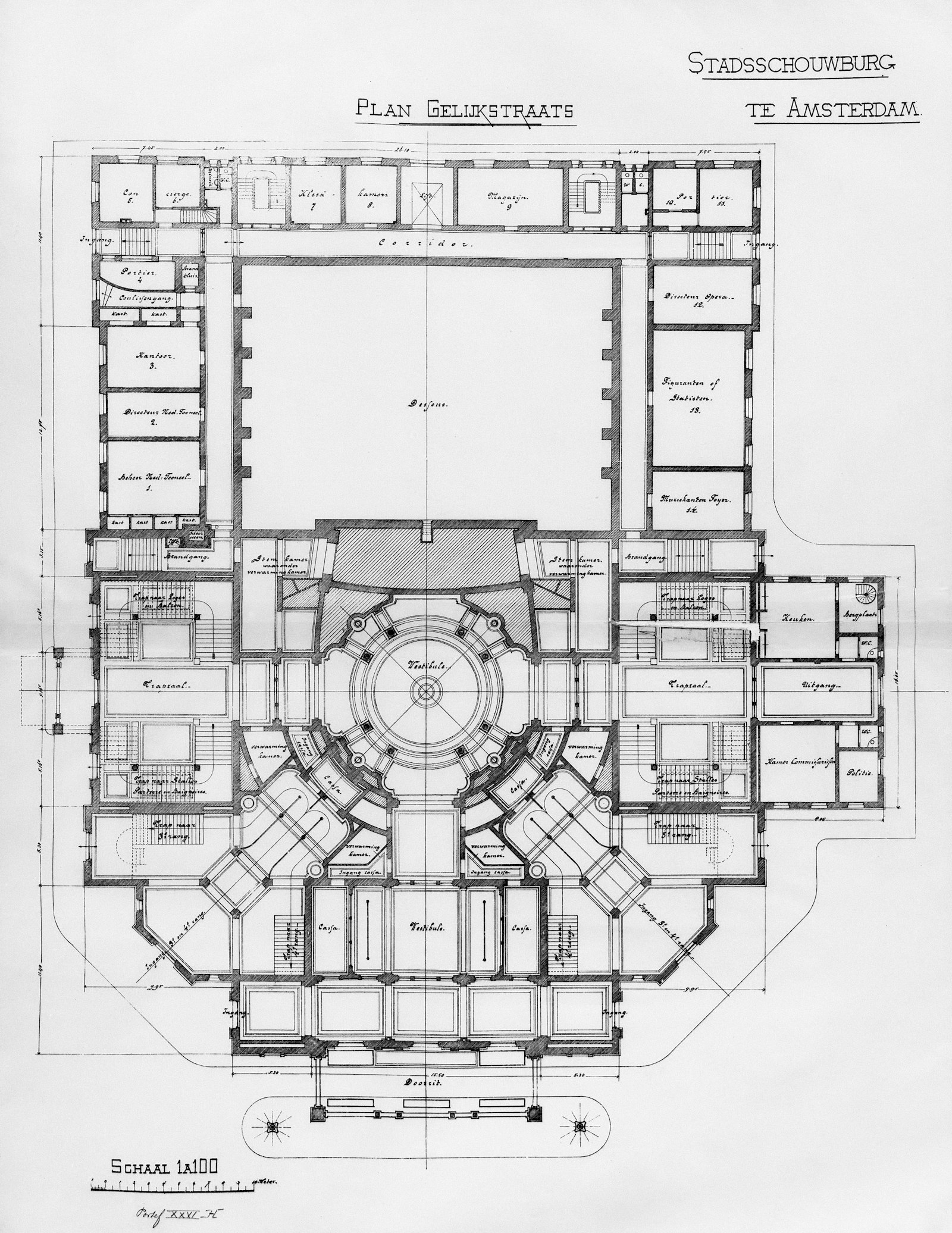
What does ₹2,800 per sq ft actually include? A line-item breakdown
Chennai construction quotes range from ₹1,800 to ₹3,500 per sq ft. The number alone is meaningless. Here is what premium-tier pricing actually buys.

Green building in Chennai: why IGBC and LEED are moving from premium to default
IGBC and LEED-rated homes were once a niche premium. In Chennai today they are becoming the default for buyers who plan to hold a property for 20+ years.
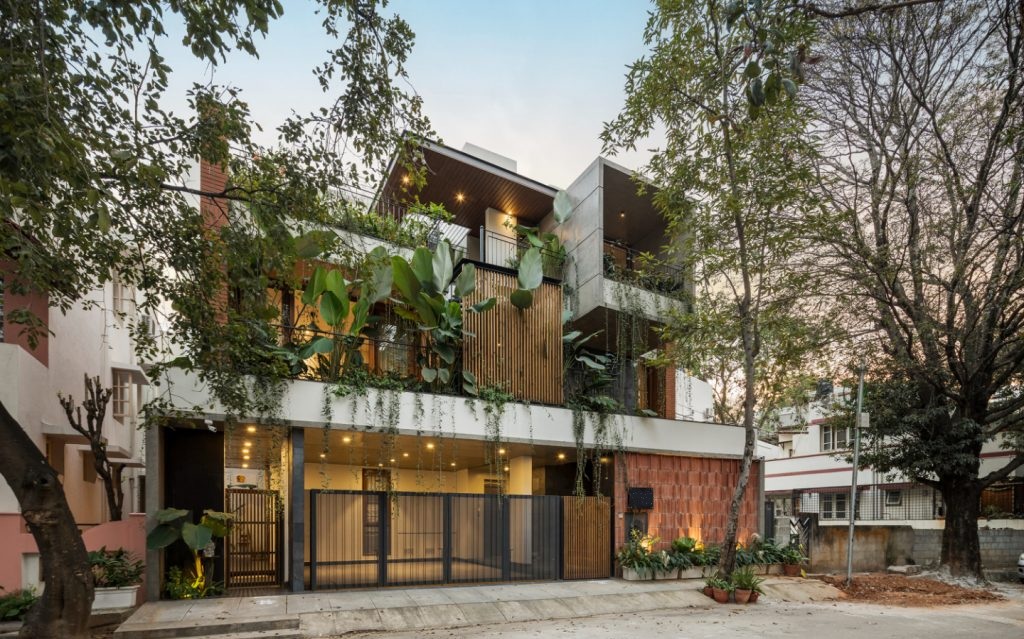
How Much Does It Cost to Build a Home in Chennai (2025 Updated Guide)?
Updated per-sq-ft construction cost data for Chennai in 2025 — basic, mid-range, and luxury builds, plus hidden costs, approvals, and a worked example.

M-Sand vs river sand in Tamil Nadu: the honest comparison
River sand is banned for most uses in Tamil Nadu. M-Sand is the default replacement. Here is what changes on your site, and how to specify it correctly.
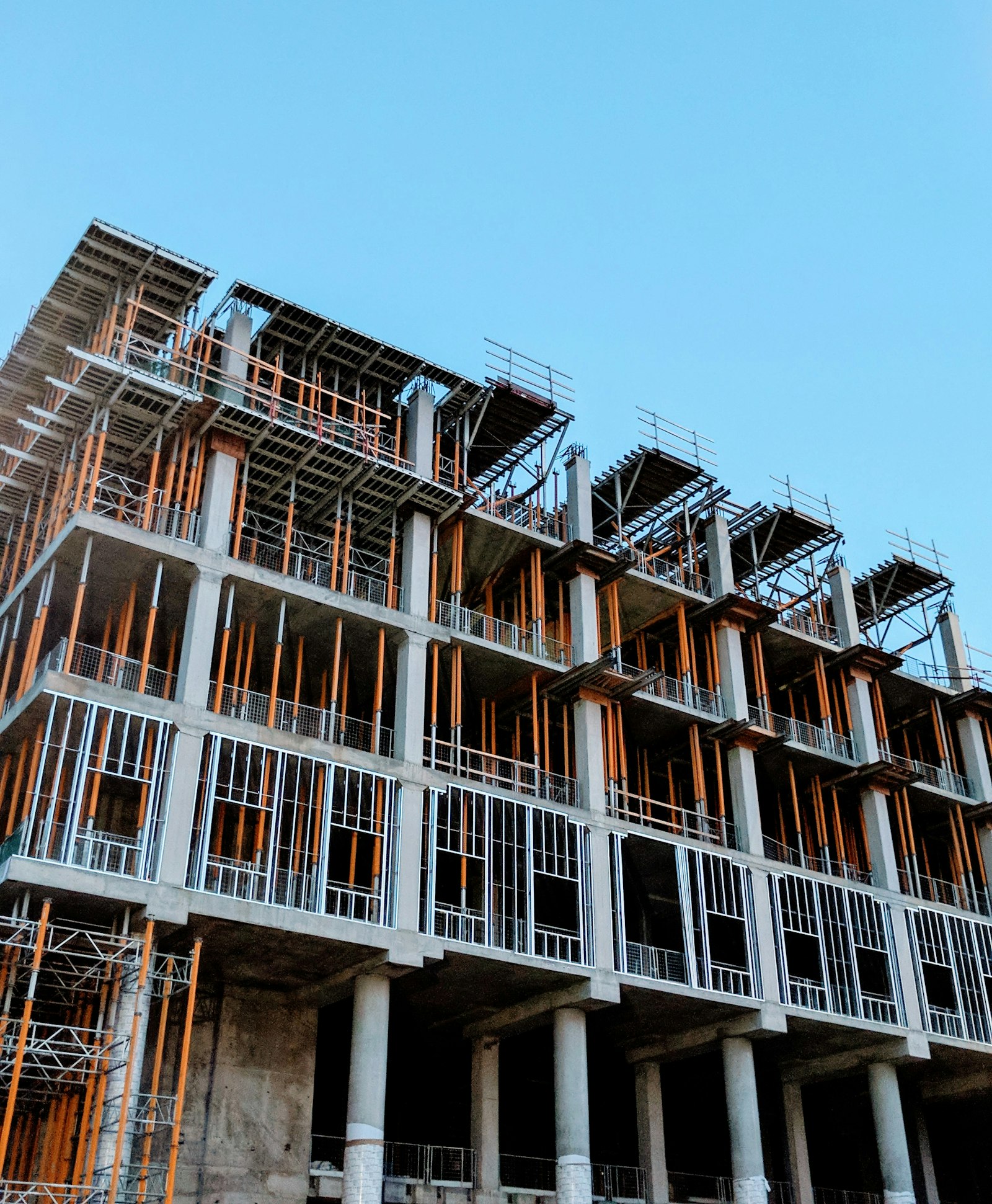
Post-tensioned slabs: the flat-floor technology quietly changing Indian high-rises
Post-tensioning lets slabs span further with less concrete and fewer beams. Here is when it makes sense for a Chennai project, and when it doesn't.
Precast concrete in South India: why premium builders are switching
Precast concrete cuts a typical Chennai build by four to six months and tightens quality control. Here is when it is the right call, and when it is not.

Rainwater harvesting in Tamil Nadu: what the law actually requires in 2026
Tamil Nadu has mandated rainwater harvesting since 2003. Most homes still do the bare minimum. Here is what compliance really looks like, and what works.

Smart homes in 2026: what to wire in before the slab goes down
Most smart-home problems are wiring problems. Here is the minimum infrastructure to plan into a Chennai build today, even if you skip the gadgets.

The Most Auspicious Direction for Placing a Living Room According to Vastu
According to Vastu Shastra, the northeast is the most auspicious direction for placing a living room. A practical guide to direction, colours, lighting, and modern design for Chennai homes.
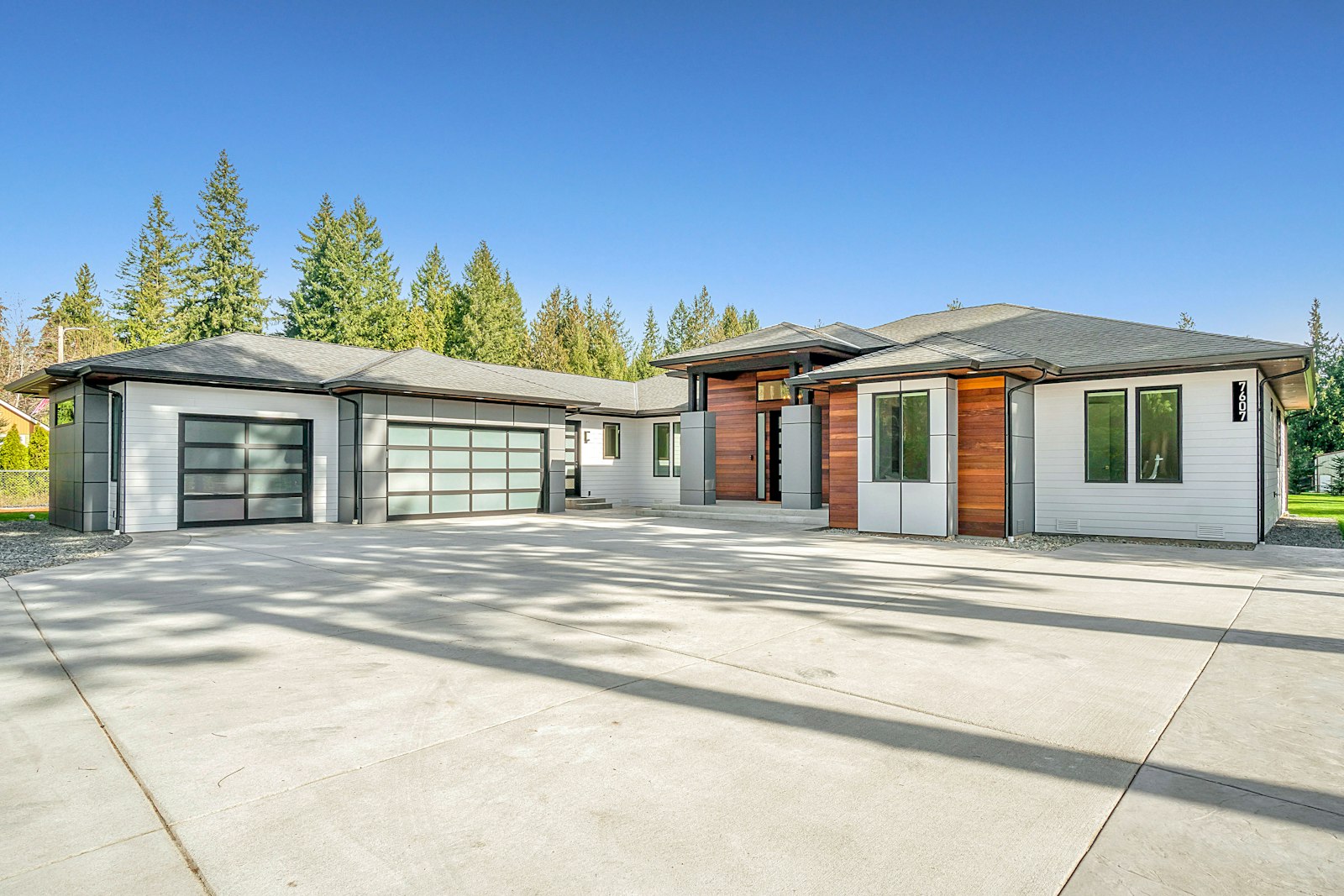
Vastu and modern architecture: where they actually conflict, and where they don't
Most Vastu-vs-modern debates are caused by bad translation, not bad design. A practical guide for Chennai homeowners planning a build.
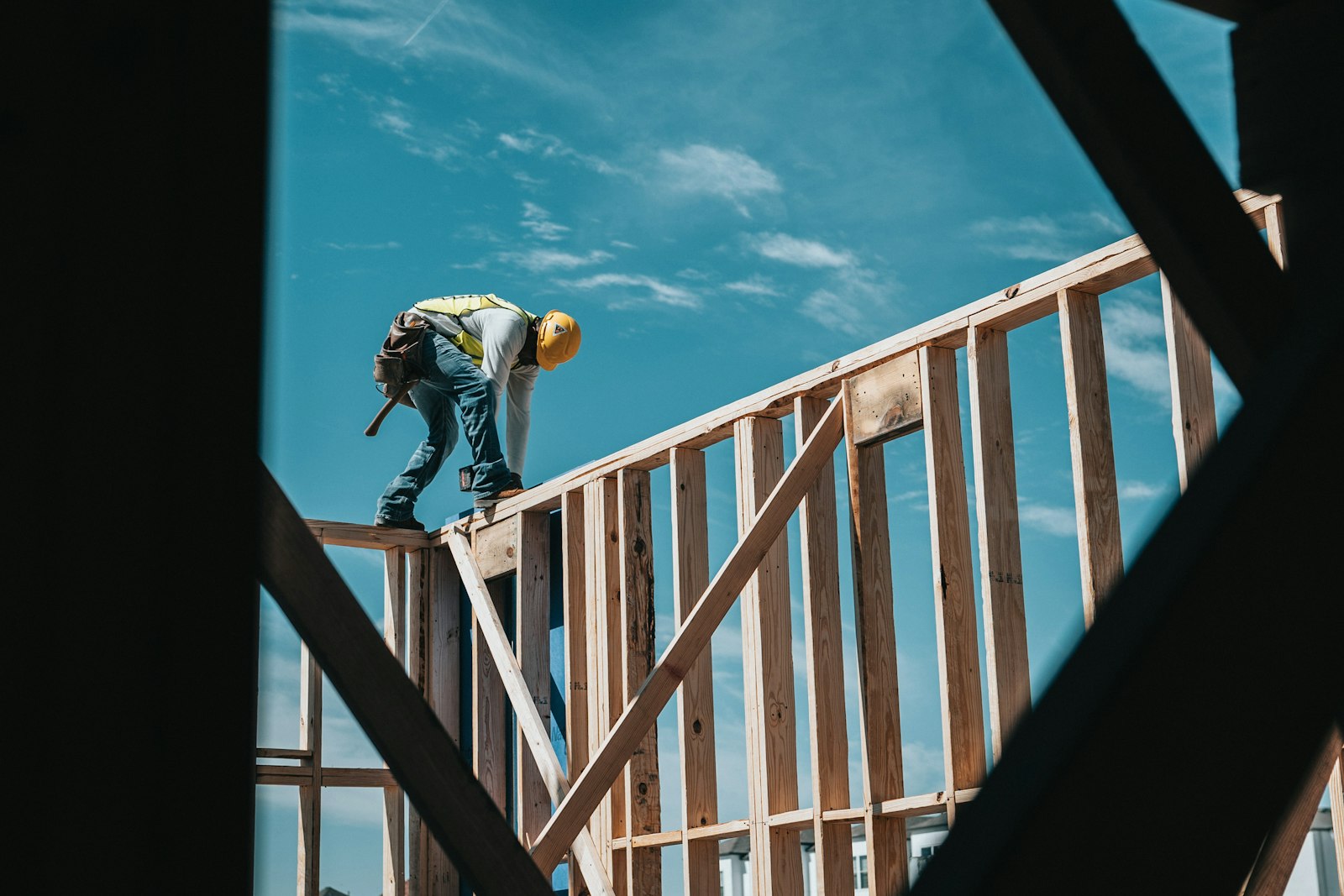
Waterproofing a Chennai home: the five failures we see most, and how to avoid them
Chennai's monsoon will find every weakness in your waterproofing. Here are the five most common failure points, what causes them, and what to specify instead.
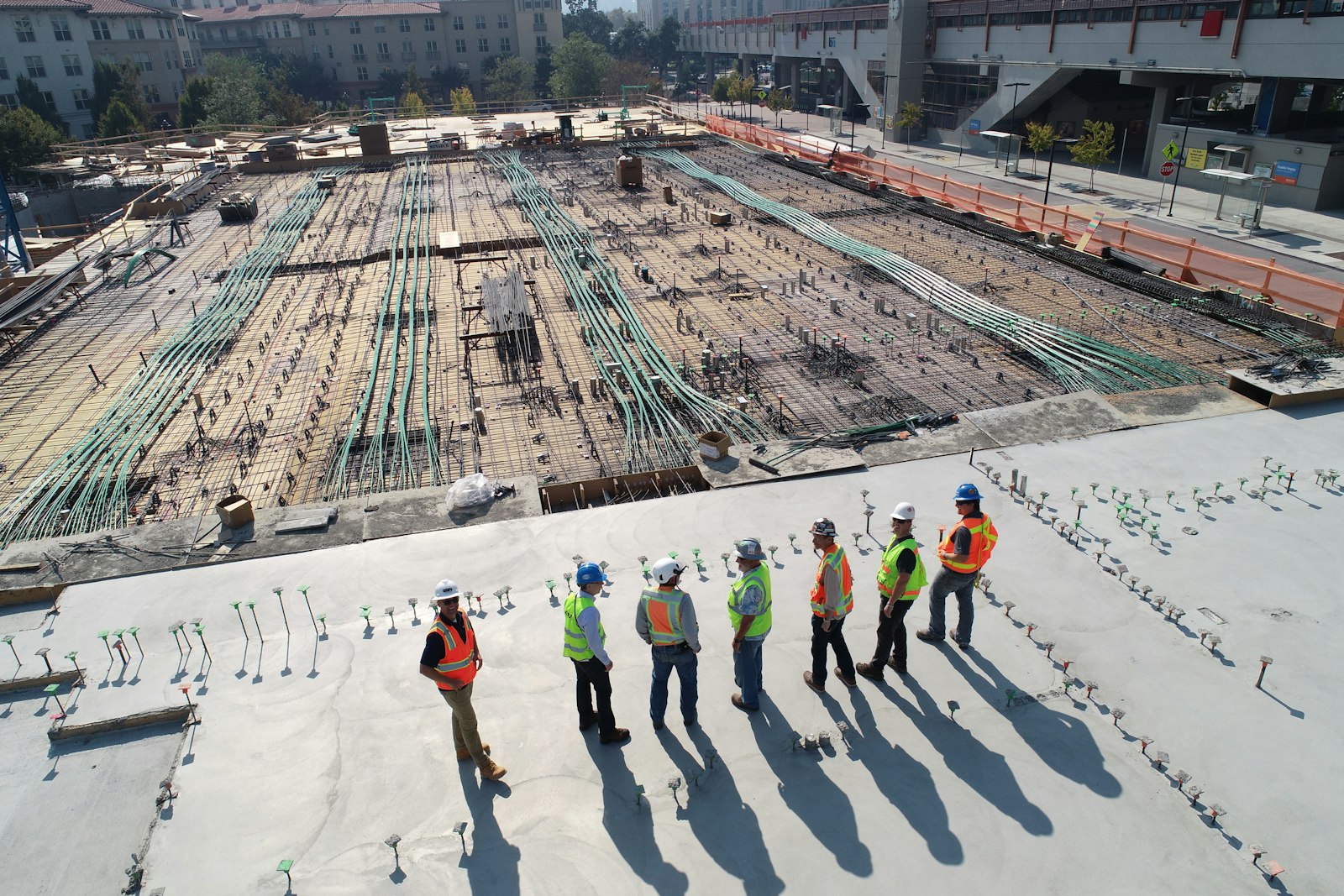
Welcome to the Uvagai Engineering blog
Chennai construction, engineering notes, and lessons from the field — a new home for practical insight from the Uvagai team since 1999.
Best Stones and Tiles for −20°C Cold Storage Floor
A practical comparison of natural stones, engineered stones, and tiles for −20°C cold storage floors — cold resistance, pros, cons, and suitability for food and pharma cold-rooms.
Building Information Modeling (BIM): what it means for your project, in plain English
BIM is not 3D rendering. It is a live digital twin of your building that catches errors before they cost money. Here is what it changes for you as an owner.